Hiking Central Park

Harlem Meer is a man-made lake at the northeast corner of Central Park. It is a stone’s throw away from the creaky Central Park North Apartments at 111th Street where KG, Karlee, Richard and I stayed. Took a left on Adam Clayton Powell Jr. Boulevard towards 110th Street past Malcolm X Boulevard. Meer is the Dutch word for lake. Harlem is a modification. of Haarlem, a city in Netherlands. The 843-acre park is surrounded by Fifth Avenue in the east, the affluent Upper West Side neighborhood, Midtown Manhattan to the south, and the Harlem in the northeastern side. The whole park occupies the length from 59th Street to 110th Street and the width from 5th Street to 8th Street.
Hey, Donalds...

The word Manhattan likely came from the Lenape language Mannahatta which translates to “island of many hills”. The Lenape people were also known as Delaware tribes, the indigenous groups from the Northeastern Woodlands or something like today’s east coast. In 1609, Henry Hudson, an English exlporer led the Dutch East India Company-funded expedition and reached the island. The river that bounds the island on the west was named Hudson River. East River bounds the island on the east. The Harlem River is more of the tributary that joins East River to Hudson River on the north.

The island that became Manhattan was originally inhabited by Wappinger people. The Wappingers lived in the eastern banks of what became the Hudson River. The Canarsies sold the island for 60 gilders to Peter Minuit, an associate of Henry Hudson, in 1626 but the Wappingers did not seem to care. The island then became a Dutch settlement and was named New Amsterdam as part of the larger New Netherland settlement that comprised portions of the modern day New Jersey, Connecticut and Long Island. New Amsterdam became New York in honor of
the Dork of York when the British took over the island in 1664.

The Continental Congress declared independence from Great Britain on July 2, 1776. Two days after was the July 4th that many Americans celebrate with parades and barbecue. But during the War of 1812, the northern portion of the park which would became the North Woods Trail was a strategic location for defense walls and a fortification site. After the British attacked Stonington, Connecticut in 1814, New Yorkers became fearful of a similar attack and constructed Fort Clinton. The fort was named after DeWitt Clinton, then mayor of NYC. The fort which included the Blockhouse never saw battle because the British forces never came.

Meanwhile in 1799, the New York legislature passed the gradual abolition law where children to enslaved mothers born after July 4, 1799 would be born free but would be required to serve their parents’ masters until they reach 25 if they’re female or 27 if they were male. The final act of emancipation that would gradually eradicate slavery in New York was passed in 1817. In 1821, New York required African-American men to own at least $250 value property and hold residency for at least three years to be able to vote. Seneca Village began in 1825 when a couple, John and Elizabeth Whitehead subdivided their land and sold it as smaller lots to African-American buyers. By 1855, Seneca Village consisted of 225 residents, two-thirds of whom were African Americans and a third were a few Germans and several Irish immigrants fleeing the potato famine in Ireland . Seneca Village spanned from 82nd Street to 89th Street along the western edge of the park.
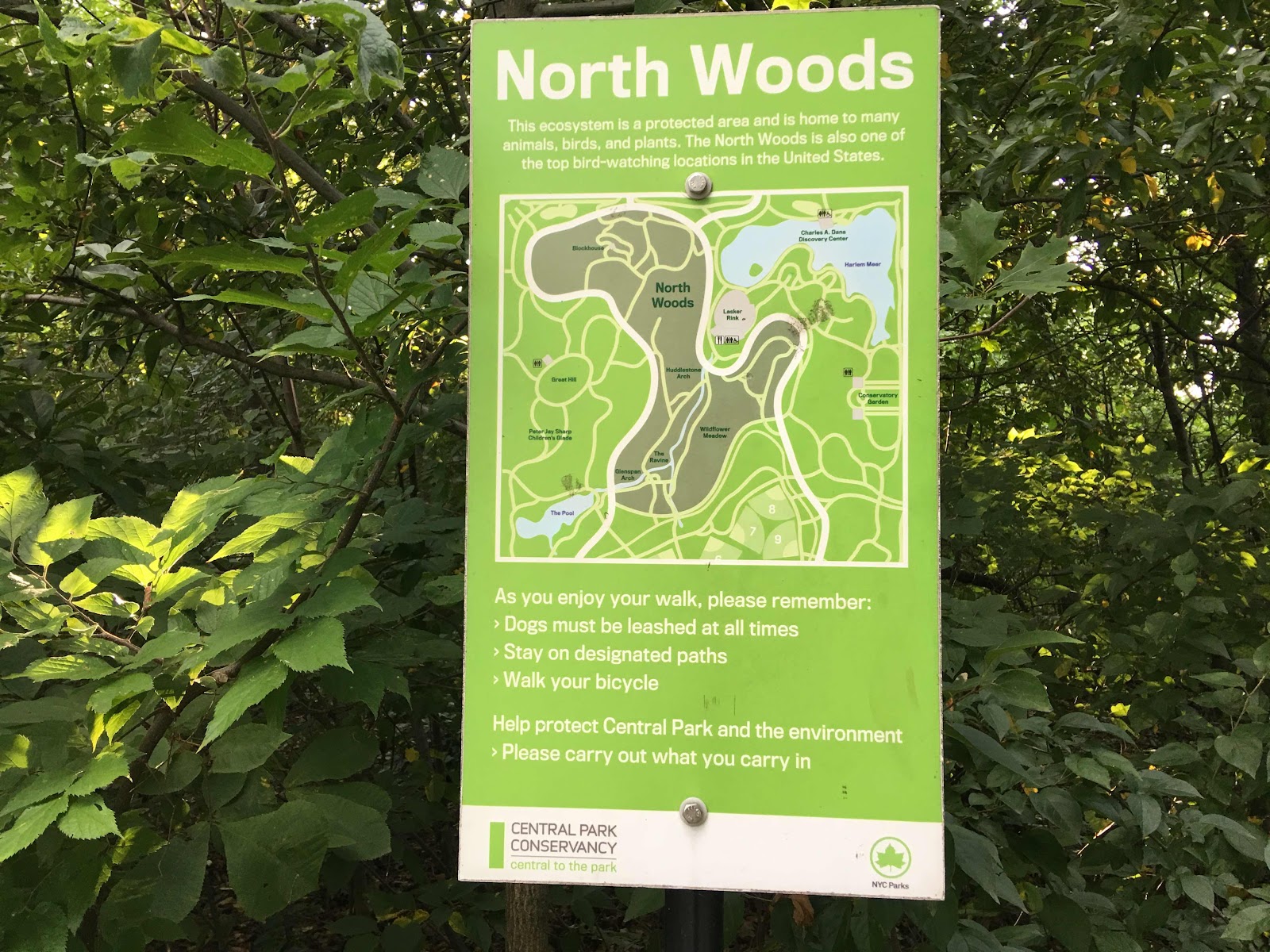
In 1853, a law setting aside 775 acres of land in Manhattan was enacted by the New York state legislature. The land set aside for the park were mostly acquired through the use of eminent domain, the law which gives the government the right to take private land for public use with compensation paid to the landowner. Well-off New Yorkers who owned properties welcomed the construction of the park foreseeing the increased value of real estate and the rise of exclusive neighborhoods in the area. By 1857, Seneca Village was razed or torn down to make way for the park. The final construction and landscaping of the park began in 1863 with newly-acquired lands from 106th to 110th Streets.
Saturday in the park
I think it was the fourth of July
People dancing, people laughing
A man selling ice cream
Singing Italian songs
Everybody is another
Can you dig it (yes I can)
And I’ve been waiting such a long time
The old song by Chicago describes the Central Park of today a people’s park where cultural diversity appears to thrive amidst conflicts, contrasts and perhaps, compromise.


Comments